
L-DOPA Association with Reduced Detection of New-Onset GA

Source: Eye and Vision, 2024 Background Geographic atrophy (GA) is a significant cause of vision loss in patients with age-related macular degeneration (AMD). Current treatments are limited to anti-complement drugs, which have limited efficacy to delay progression with significant risk of complications. Levodopa (L-DOPA) is a byproduct of melanin synthesis that is associated with reduced…
Read MoreWhat are anti-VEGF injections?
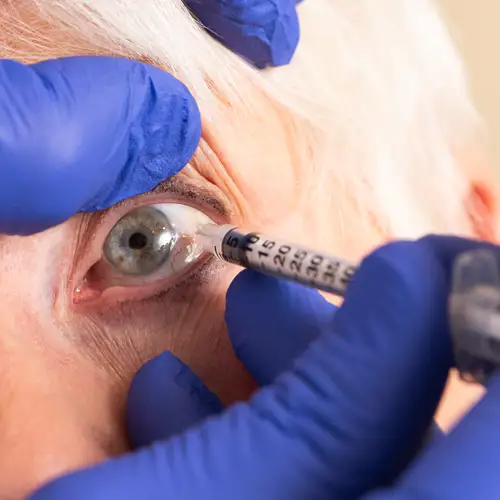
The most common treatment doctors use to slow vision loss from wet AMD is called anti-VEGF injections. These medicines help stop bleeding and leaking from blood vessels in the back of your eye. Most people with wet AMD will get anti-VEGF injections as their only treatment. When you get this treatment, your doctor will: Anti-VEGF…
Read MoreRole of L-DOPA in Prevention of GA
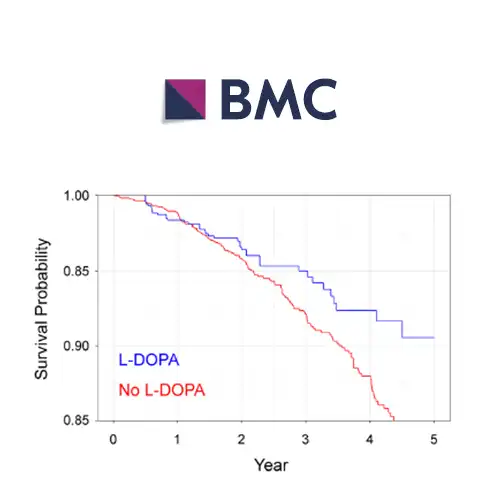
Source: Eye and Vision, 2024 Background Geographic atrophy (GA) is a significant cause of vision loss in patients with age-related macular degeneration (AMD). Current treatments are limited to anti-complement drugs, which have limited efficacy to delay progression with significant risk of complications. Levodopa (L-DOPA) is a byproduct of melanin synthesis that is associated with reduced…
Read MoreWarnings Before Taking MaculaPM®

As with any supplement, if you are pregnant, nursing, taking medications, have a medical condition or have difficulty swallowing, consult your doctor before use. Warning Language for L-Dopa: If you are taking medications (especially methyldopa, tricyclic antidepressants, or MAOIs) or have a medical condition including a history of melanoma, diabetes, peptic ulcer, liver disease, psychiatric…
Read MoreDifferent Therapeutic Approaches for AMD
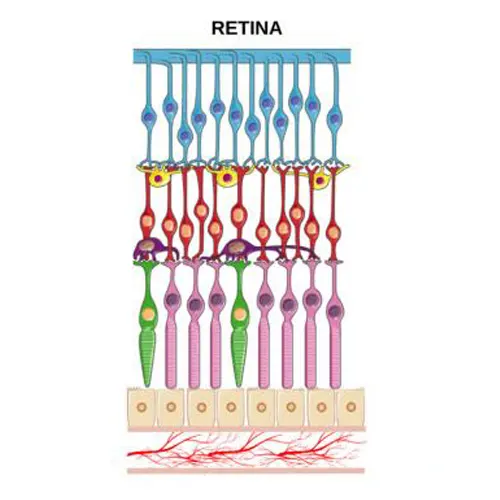
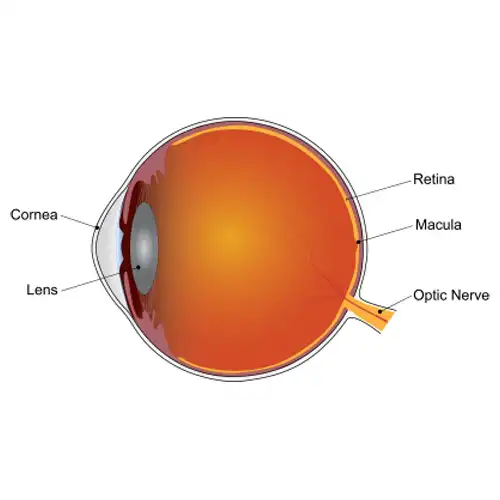
Source: Department of Drug Sciences, Section of Pharmacology, University of Pavia Abstract: Age-related macular degeneration (AMD) is the most common cause of irreversible loss of central vision in elderly subjects, affecting men and women equally. It is a degenerative pathology that causes progressive damage to the macula, the central and most vital part of the…
Read MoreAREDS / AREDS2 Clinical Trials

Age-Related Eye Disease Studies (AREDS/AREDS2): major findings Source: NEI The NEI conducted the Age-Related Eye Disease Study (AREDS) and the follow-on AREDS2 to study cataract and age-related macular degeneration (AMD). Study researchers tested whether taking nutritional supplements could prevent or slow these diseases. The formulations tested in the trials are now sold as the AREDS…
Read MoreNew Analysis Shows Benefit of Taking AREDS2 Formula in Late AMD
Source: NIH, July 16, 2024 In a new analysis of data, researchers at the National Institutes of Health (NIH) have found that taking a daily supplement containing antioxidant vitamins and minerals slows progression of late-stage dry age-related macular degeneration (AMD), potentially helping people with late-stage disease preserve their central vision. Researchers reviewed the original retinal…
Read MoreWhat are the Types & Stages of AMD?

Courtesy: National Eye Institute, National Institutes of Health (NEI/NIH) There are 2 types of AMD: dry and wet. Most people with AMD have dry AMD (also called atrophic AMD). This is when the macula gets thinner with age. Dry AMD happens in 3 stages: early, intermediate, and late. It usually progresses slowly over several years. There’s no treatment for late dry…
Read MoreAre there Risks or Side Effects from Using AREDS 2 Supplements?
Courtesy: National Eye Institute, National Institutes of Health (NEI/NIH) Because AREDS 2 supplements have very large amounts of vitamins and minerals, they may change the way your body digests food. They can also change the way that other medicines work in your body. An older type of these supplements — called “AREDS” instead of “AREDS 2”…
Read MoreHow were AREDS 2 Supplements Developed?
Courtesy: National Eye Institute, National Institutes of Health (NEI/NIH) Scientists at NEI studied these supplements in 2 clinical trials, called the Age-Related Eye Disease Studies (AREDS and AREDS2). They found that people with intermediate or late AMD who took these supplements every day were less likely to lose their central vision. Courtesy: National Eye Institute, National…
Read More